Dive Into a World of Adventure and Problem-Solving in Escape Rooms
Escape rooms have risen in appeal, providing a distinct blend of journey and cognitive difficulty that mesmerizes individuals of any ages. These interactive experiences submerse players in themed settings where teamwork and vital thinking are extremely important to success. From unraveling elaborate historical mysteries to navigating creepy, spine-chilling scenarios, each space supplies a distinct narrative that tests your analytical acumen. Whether you're a seasoned fanatic or a curious beginner, the allure of these immersive problems beckons. But what precisely gas this fascination, and exactly how can one maximize their experience? The answers may surprise you.
The Increase of Escape Rooms
Escape rooms have seen a significant rise in popularity over the past years, transforming from particular niche entertainment to a mainstream phenomenon. Stemming in Japan around 2007, these interactive problem video games quickly mesmerized audiences worldwide. The immersive experience of being "locked" in a space and functioning collaboratively to solve puzzles within an established duration offers an unique mix of thrill and cognitive difficulty.
The surge of retreat rooms can be attributed to several elements. The interactive nature of escape spaces provides a tangible contrast to the virtual escapism prevalent in electronic pc gaming.
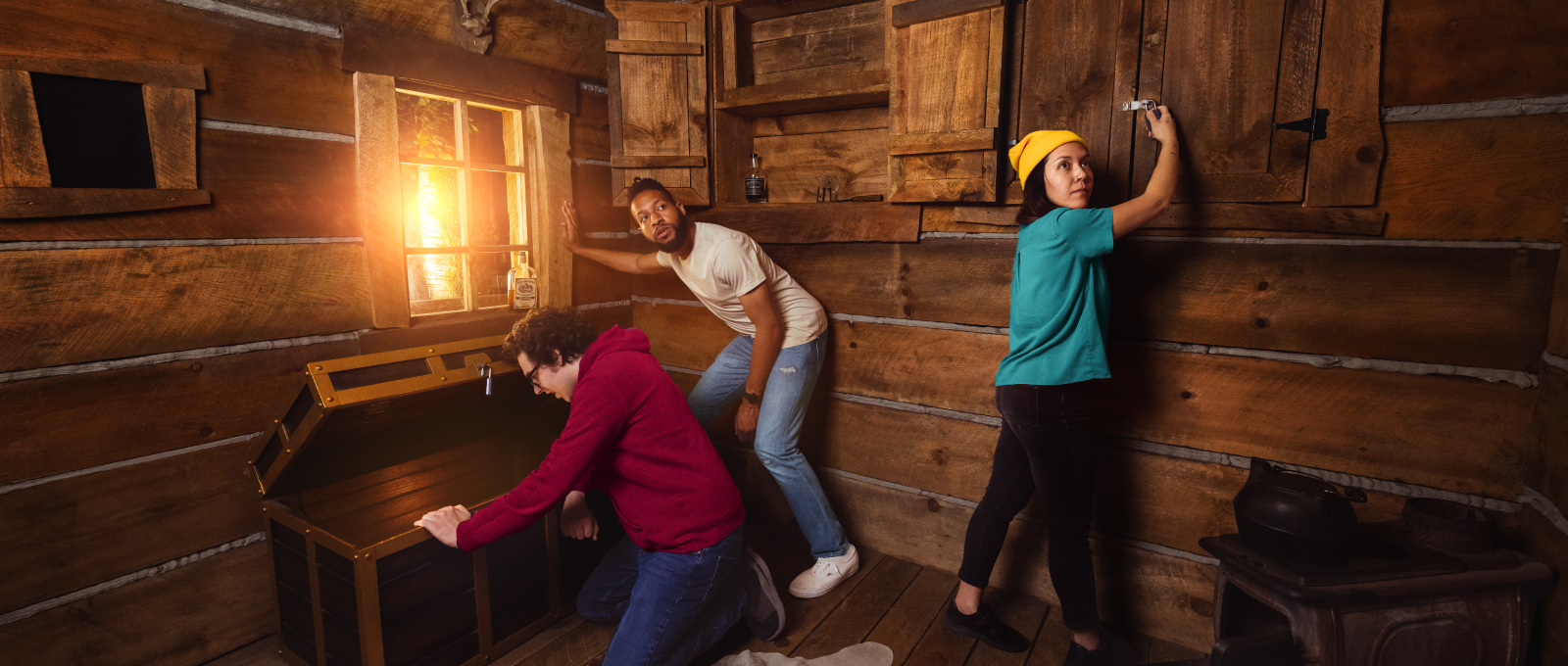
In addition, the social facet can not be neglected. Getaway areas foster cooperation and interaction, urging individuals to pool their skills and understanding. This collective initiative not just boosts the experience however likewise constructs camaraderie among players. Moreover, the constant evolution of challenge design and technological combination guarantees that retreat areas continue to be difficult and fresh, adding to their sustained popularity.
Kinds Of Escape Room Styles

One prevalent motif is the "Secret and Investigator" style, where participants think the function of detectives tasked with fixing a crime or uncovering a concealed fact. These spaces often feature elaborate problems and narrative-driven difficulties that need eager observation and rational reasoning.
An additional prominent motif is "Historic and Journey". Right here, players may locate themselves in old Egypt, browsing via a pharaoh's tomb, or throughout The Second World War, deciphering opponent messages. These styles provide an academic spin, blending historic facts with engaging gameplay.
For those looking for an excitement, "Scary and Paranormal" escape rooms provide spine-chilling experiences. Establish in haunted houses or deserted asylums, these spaces count on emotional scares and climatic results to heighten the stress.
Key Skills for Success
Success in retreat spaces pivots on a blend of important skills that individuals have to harness to overcome the varied challenges they will encounter. Equally essential is synergy; getaway spaces need a collective effort, where each individual's strengths are utilized to tackle various puzzles and tasks effectively.
One more vital ability is eager observation. Attention to detail can expose concealed hints and subtle hints that are important for progressing. Analytical thinking is likewise crucial, permitting teams to study complex problems and establish logical links in between disparate aspects within the room. Time administration is a further necessary, as the taken care of duration of escape space experiences requires efficient allowance of time to various tasks and challenges.
The capability to pivot strategies when initial plans falter ensures that groups can dynamically respond to progressing obstacles. Mastery of these abilities jointly improves the probability of a successful escape.
The Psychology of Problem-Solving
Recognizing the psychology of analytical is Recommended Reading critical for navigating the elaborate obstacles presented by getaway spaces. Problem-solving is a cognitive process that entails identifying an issue, generating possible options, examining them, and then performing the finest training course of action. Cognitive psychologists have actually long researched this procedure, identifying various stages such as problem identification, structuring the issue, and utilizing heuristics or formulas to find options.
Escape rooms develop a setting where participants have to quickly relocate with these cognitive phases under pressure. The high-stakes, time-constrained nature of getaway spaces can cause a state of increased stimulation, which can either boost or impair cognitive efficiency depending on the individual's stress and anxiety response. The Yerkes-Dodson Law suggests that moderate anxiety degrees can enhance analytic capacities, whereas too much tension can be damaging.
Furthermore, getaway spaces commonly call for joint analytical, leveraging group characteristics to enhance cognitive processes. Understanding these psychological concepts can substantially boost one's capacity to resolve complex problems efficiently.
Tips for First-Timers
Beginning on your initial retreat area adventure can be both difficult and thrilling. To enhance your experience, it is vital to approach it with a technique. Construct a team with diverse abilities. A mix of logical thinkers, innovative minds, and good communicators is suitable. The even more varied the skill collection, the much better equipped you'll be to take on different kinds of challenges.
Interaction within the team is paramount. Share findings and understandings immediately, as one individual's exploration can be the missing out on piece another requirements. Stay clear of one-track mind; if a puzzle seems overwhelming, pass it on a colleague to acquire a fresh point of view.
Time monitoring is likewise crucial. have a peek at these guys Watch on the clock and assign your time sensibly. If a particular problem is taking in as well much time, it could be prudent to go on and go back to it later on.
Final Thought
Retreat areas provide an one-of-a-kind blend of experience, cognitive difficulty, and immersive narration, making them a preferred selection for both entertainment and skill advancement. By engaging in diverse styles and intricate problems, individuals improve teamwork, interaction, and problem-solving capacities. The emotional advantages gotten from these experiences prolong beyond the retreat area, promoting enhanced cognitive features and social skills. Embrace the world of retreat areas to cultivate vital thinking and produce enduring, collective memories.
The constant evolution of puzzle style and technological combination ensures that escape spaces remain fresh and challenging, adding to their continual appeal. - la escape room
Similarly important is teamwork; retreat spaces require a collaborative initiative, where each participant's strengths are made use of to tackle different puzzles and jobs efficiently.
Time monitoring is a further vital, as the repaired duration of getaway area experiences demands effective allocation of time to various jobs and challenges.
Comprehending the psychology of analytic is essential for navigating the elaborate obstacles provided by getaway areas.Additionally, retreat spaces typically require joint analytic, leveraging team dynamics to improve cognitive procedures.